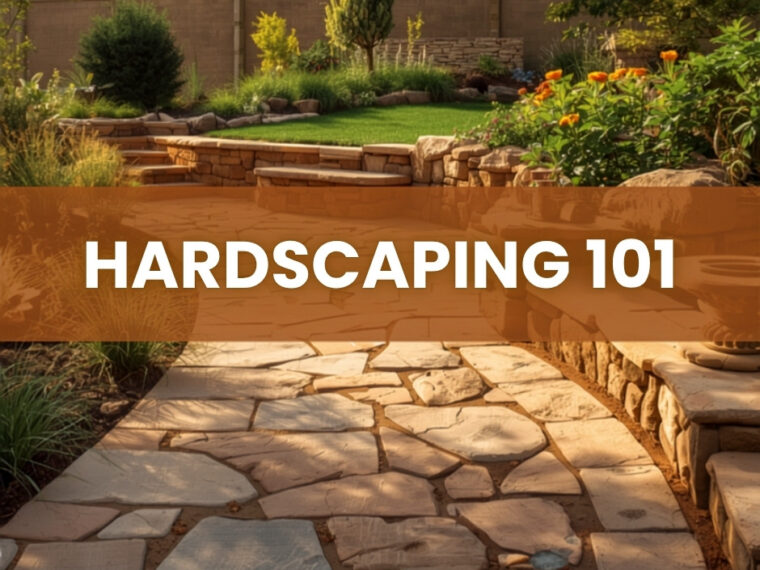
If your backyard feels more like a wish list than an actual space you enjoy, hardscaping might be the missing piece. While plants and flower beds get all the attention, it’s often the “bones” of a yard — the patios, walkways, and walls — that make it feel finished and functional. Hardscaping ideas for backyards don’t have to mean a total renovation, either. Sometimes a single well-placed path or a small retaining wall is enough to transform how you use your outdoor space.
Let’s break down the three big categories of hardscaping, what they actually cost in time and money, and how to figure out which project makes sense for your yard first.
What Exactly Is Hardscaping?
Hardscaping simply refers to the non-living, structural elements of your landscape — as opposed to “softscaping,” which covers plants, lawns, and gardens. Think patios, walkways, retaining walls, fences, and even fire pits. These elements give a yard structure, improve drainage, and create defined areas for sitting, walking, and entertaining.
A yard with only softscaping (grass and plants) can feel a little shapeless. Add a stone path or a raised patio, and suddenly there’s a sense of “rooms” outdoors — a dining area, a fire pit corner, a garden nook. That’s the real magic of good hardscaping ideas for backyards: they organize the space so it actually gets used.
Patios: The Heart of the Backyard
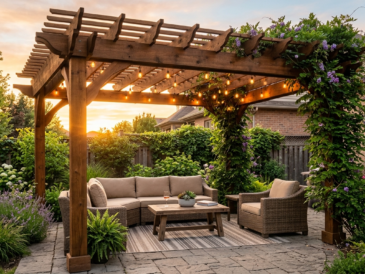
A patio is usually the anchor of any backyard plan — it’s where the grill lives, where the outdoor furniture goes, where people gather. When planning one, a few things matter more than they might seem to at first:
- Material choice. Poured concrete is budget-friendly and durable but less charming. Pavers offer more style and are easier to repair individually if one cracks. Natural stone looks incredible but costs more and requires a skilled installer.
- Size and shape. A good rule of thumb is at least 12×12 feet for a small seating area, and 16×18 feet or more if you want room for a dining table and a lounge zone.
- Base preparation. This is the part nobody sees but everyone regrets skipping. A properly compacted gravel base prevents shifting, cracking, and puddling down the road.
DIY patios are doable for smaller, simple layouts, especially with paver kits. Anything larger, or on a slope, is worth hiring a pro for — the grading and drainage work is easy to get wrong.
Walkways: Small Project, Big Impact
Walkways are often the most underrated hardscaping project because they’re relatively cheap and quick, but they change how a yard feels almost instantly. A defined path from the driveway to the front door, or from the patio to a garden shed, does two things: it protects your grass from wear patterns, and it makes the whole property look more intentional and cared for.
Popular walkway materials include:
- Flagstone — natural, irregular, and great for a relaxed garden look
- Brick pavers — classic, tidy, and easy to lay in patterns
- Gravel or mulch — the most budget-friendly option, ideal for informal garden paths
- Poured concrete — clean and modern, best for straight, high-traffic routes
A simple weekend project for most homeowners: a 3-foot-wide gravel or paver path edged with steel or plastic landscape edging to keep it from spreading into the lawn.
Retaining Walls: Function First, Then Style
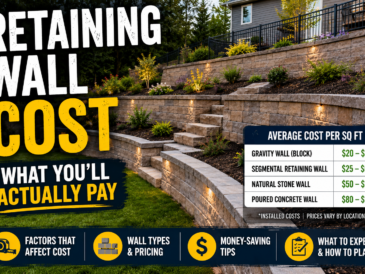
Retaining walls solve a problem before they add beauty — they hold back soil on sloped yards, prevent erosion, and can turn an awkward hillside into usable, level garden space. If your yard has any grade to it at all, a retaining wall is often the project that unlocks everything else, since it creates flat areas for patios, beds, or lawn.
A few things worth knowing before starting one:
- Walls under about 3 feet tall are generally manageable as a DIY project using interlocking concrete blocks.
- Anything taller, or holding back significant soil weight, usually needs engineering input and often a building permit — this isn’t the place to guess.
- Drainage is everything. A wall without proper backfill and drainage pipe behind it will eventually fail, no matter how sturdy the blocks look.
Where to Start If You’re Doing All Three
If your dream backyard involves a patio, a path, and a wall, sequencing matters. Retaining walls should go in first, since they shape the usable land. Walkways come next, since they often connect to or border the patio. The patio itself is usually the final structural piece, since it benefits from a level, well-drained site.
Budget-wise, a reasonable phased approach might look like: retaining wall this year, walkway next spring, patio the following season. That spreads the cost out and lets you enjoy each improvement as it’s finished rather than waiting years for one big project.
Bringing It All Together
Good hardscaping ideas for backyards aren’t about doing everything at once — they’re about picking the structural pieces that will make the space work better for how you actually live. Start with whichever problem bugs you most, whether that’s a muddy path, an unusable slope, or simply nowhere nice to sit outside. Once the bones are in place, the plants and furniture are the easy part. Your backyard will thank you for the upgrade, one stone at a time.