If you’ve ever stood at the curb looking at your yard and wondered whether that new flower bed or those trimmed hedges are actually worth the effort, you’re asking a smart question. We all know a tidy garden looks nice, but does landscaping increase home value in a way that actually shows up when it’s time to sell? The short answer is yes — but the details matter more than most homeowners realize.
Let’s dig into what really moves the needle, what’s mostly for your own enjoyment, and how to spend your outdoor budget wisely if resale is on your mind.
First Impressions Are Worth Real Money
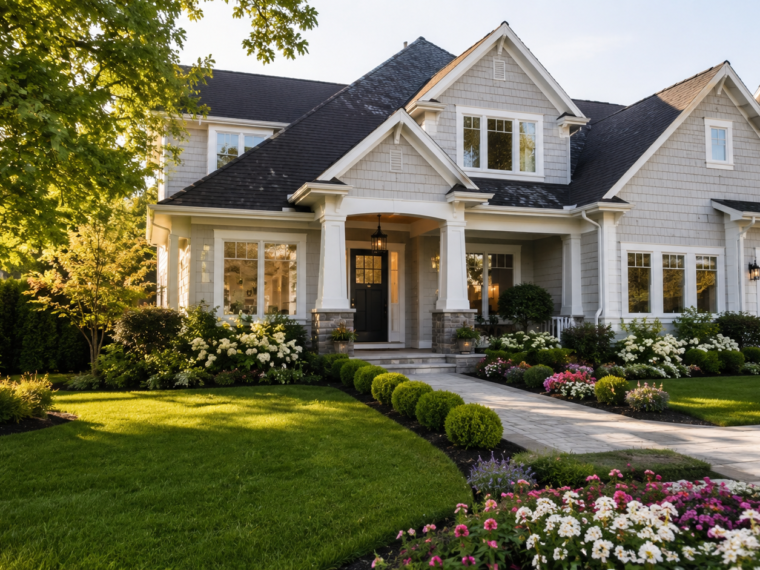
Here’s the thing about buyers: they decide how they feel about a home before they ever walk through the front door. That drive-up moment — pulling into the street and seeing the house for the first time — sets the emotional tone for the entire showing. A well-kept, thoughtfully landscaped front yard tells a buyer that the home has been cared for. An overgrown, patchy, or bare yard whispers the opposite, even if the inside is spotless.
Real estate professionals have long pointed to curb appeal as one of the cheapest ways to influence a sale. Mature trees, healthy lawns, and clean garden beds consistently rank among the features buyers notice first. And because that first impression colors everything that follows, good landscaping often helps a home sell faster — sometimes the more valuable outcome than the price bump itself.
What Landscaping Actually Adds the Most Value
Not all outdoor improvements are created equal. If your goal is to see a return when you sell, some projects punch well above their weight:
- A healthy, green lawn. Nothing signals “well maintained” faster than a lush lawn. It’s also one of the most affordable things to fix.
- Mature trees and established plantings. Trees take years to grow, so buyers value them highly — they provide shade, privacy, and a sense of permanence money can’t instantly buy.
- Clean, defined garden beds. Fresh mulch, crisp edges, and a few well-chosen shrubs make a yard look intentional rather than accidental.
- Low-maintenance, regional plants. Buyers increasingly want beauty without a weekend job attached. Native and drought-tolerant plants appeal to that crowd.
- A functional outdoor living space. A simple patio or seating area extends the usable square footage of a home in the buyer’s mind.
Where Homeowners Tend to Overspend
On the flip side, some outdoor projects are wonderful for your own enjoyment but rarely return what you put in. It’s worth knowing the difference before you break ground.
Elaborate water features, oversized koi ponds, and highly personalized garden designs can actually work against you. What one owner sees as a dream Japanese garden, a buyer may see as a maintenance headache they’ll have to rip out. The same goes for swimming pools in cooler climates, intricate topiary that demands constant trimming, and anything so unusual that it narrows your pool of interested buyers.
The guiding principle is simple: broad appeal beats bold personality when resale is the goal. Keep it clean, keep it green, and keep it something the average buyer can imagine themselves maintaining.
How to Landscape Smart When You’re Planning to Sell
If a sale is somewhere on your horizon, you don’t need to gut the yard. A focused, sensible approach usually delivers the best results:
- Start with cleanup, not construction. Prune overgrowth, pull weeds, edge the beds, and freshen the mulch. This costs almost nothing and transforms a yard.
- Fix the lawn. Overseed bare patches, feed it, and keep it mowed. A green carpet does a lot of quiet selling.
- Add color near the entrance. A few pots of seasonal flowers by the door create warmth and welcome without a big commitment.
- Light it thoughtfully. Simple pathway or accent lighting makes evening showings feel safe and inviting.
- Keep it maintainable. Choose plants a busy buyer can keep alive. The goal is “easy to love,” not “hard to manage.”
The Bottom Line
So, does landscaping increase home value? Genuinely, yes — but the biggest wins come from the least glamorous work. A cared-for lawn, clean beds, healthy trees, and a welcoming entrance do far more for your resale price than any single showpiece feature. These improvements are affordable, appeal to almost every buyer, and help your home sell faster.
If you’re gardening purely for the joy of it, plant whatever makes you happy — that value is real too, just of a different kind. But if you’ve got one eye on resale, spend your money on the things buyers reward: tidiness, health, and a yard that feels like an easy place to call home. Your future sale price will thank you.