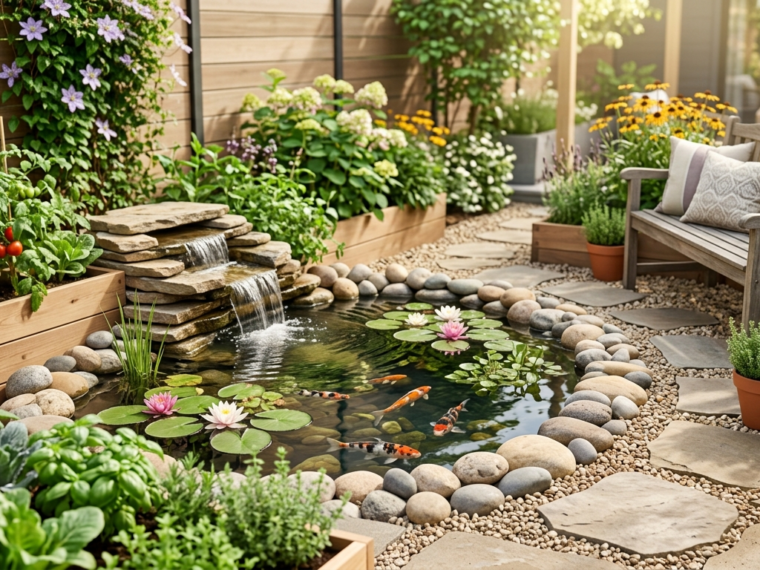
There’s something almost magical about a pond in the backyard — the gentle sound of moving water, dragonflies skimming the surface, maybe a few goldfish flashing in the sunlight. If you’ve been dreaming of one, you’re probably wondering what you’re really signing up for. Building a backyard pond is one of the most rewarding outdoor projects you can take on, but it helps to walk in with clear eyes about the cost, the materials, and the upkeep.
Let’s break it all down so you can decide what size and style fits your space, your budget, and how much weekend time you actually want to spend tending it.
How Much Does a Backyard Pond Cost?
The honest answer is: it depends enormously on size and ambition. A tiny container pond or a small preformed pond can be a weekend DIY project for a modest sum, while a large, professionally installed water garden with a waterfall and filtration can climb into the thousands.
Here’s a rough way to think about the tiers:
- Small DIY pond (under 100 gallons): The most budget-friendly option. A flexible liner or preformed shell, a small pump, and some rocks. Great for a first project.
- Mid-size pond (100–500 gallons): This is the sweet spot for many homes. Expect to invest in a proper pump, filter, liner, and edging materials.
- Large or koi pond (500+ gallons): Bigger ponds need serious filtration, aeration, and often professional excavation. This is where costs rise quickly, but so does the wow factor.
The two variables that drive the price most are size and whether you dig it yourself or hire help. Doing your own digging and assembly can cut the cost dramatically if you’re willing to put in the labor.
The Materials You’ll Actually Need
Once you’ve settled on a size, the shopping list for building a backyard pond is fairly predictable. Knowing the pieces up front keeps you from making three trips to the garden center in one weekend.
- A liner or preformed shell. Flexible EPDM liners let you shape any design; rigid preformed shells are faster to install but limit you to their shape.
- A pump. This keeps water circulating, which is essential for clarity and for any waterfall or fountain feature.
- A filter. Mechanical and biological filtration keeps the water clean and safe for fish and plants.
- Underlayment. A protective layer beneath the liner guards against punctures from rocks and roots.
- Rocks and edging. These hold the liner in place and give the pond a natural, finished look.
- Plants and, optionally, fish. Water lilies, oxygenating plants, and marginal plants keep the ecosystem balanced and beautiful.
Building It Step by Step
You don’t need to be a contractor to build a solid pond. The basic process follows a logical order:
- Choose the right spot. Pick a level area with partial sun. Too much shade limits plants; too much sun encourages algae. Keep it away from large trees that drop leaves.
- Mark and dig. Outline the shape with a hose or rope, then excavate, creating shelves at different depths for plants and fish.
- Lay underlayment and liner. Smooth out wrinkles and let the liner settle into the contours.
- Add water and equipment. Fill it, then install and test the pump and filter.
- Edge and plant. Arrange rocks around the rim and introduce plants gradually. Wait a couple of weeks before adding fish so the ecosystem can stabilize.
What Maintenance Really Looks Like
This is the part people underestimate. A pond isn’t a “set it and forget it” feature, but with the right setup, upkeep is manageable and even enjoyable. Expect to skim debris regularly, especially in autumn when leaves fall. You’ll clean or rinse the filter as needed, top off water lost to evaporation, and keep an eye on algae — usually controlled by balancing sunlight, plants, and filtration rather than harsh chemicals.
Seasonal care matters too. In colder climates, you’ll need to prepare the pond for winter with a de-icer or by protecting fish, and in spring you’ll do a gentle cleanup as everything wakes up. Once you settle into the rhythm, most owners find that fifteen or twenty minutes a week keeps things looking beautiful.
Is a Backyard Pond Worth It?
For most homeowners who love spending time outdoors, absolutely. Building a backyard pond turns an ordinary yard into a living, breathing retreat — a place that attracts birds and beneficial insects, soothes with the sound of water, and gives you a genuinely rewarding hobby. Start small if you’re unsure, learn the rhythm of caring for it, and scale up later if you catch the bug.
The key is going in prepared: match the size to your budget and your available time, buy quality equipment the first time around, and give the ecosystem a chance to find its balance. Do that, and your pond will reward you with years of quiet, glittering pleasure right outside your back door.