
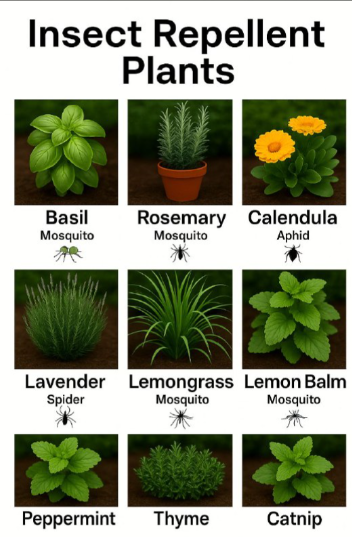
Mosquitoes are more than just a summer nuisance. They are known carriers of dangerous diseases such as Zika virus, West Nile virus, malaria, dengue fever, and chikungunya. With the increasing concern over health risks, homeowners are seeking safer and more effective alternatives to chemical repellents. Fortunately, there is a natural, sustainable solution: incorporating mosquito-repellent plants into your garden.
These plants not only help create a more enjoyable outdoor space but also enhance your garden’s beauty, fragrance, and biodiversity. In this guide you’ll find the ten plants most consistently associated with repelling mosquitoes, how to arrange them for maximum effect, and — just as importantly — the point at which plants alone stop being enough.
Why Natural Mosquito Repellents Are Worth Trying First
Choosing natural mosquito repellents over synthetic chemicals is a decision that benefits not only your family and pets but also the environment. Here are key reasons why more people are opting for plants that repel mosquitoes naturally:
- Chemical-free protection: Reduces exposure to harmful toxins.
- Cost-effective: Once established, these plants require minimal investment compared to seasonal chemical sprays.
- Multi-purpose benefits: Many plants offer culinary uses, aromatic benefits, and aesthetic value.
- Increased biodiversity: Natural gardens attract beneficial insects such as bees and butterflies.
A realistic expectation matters here: research on repellent plants generally shows the effect is strongest when leaves are crushed and the oils released, and weaker from the plant simply sitting in a bed. Treat these as one useful layer, not a force field.
The 10 Best Mosquito-Repellent Plants for Your Garden
Citronella Grass (Cymbopogon nardus)
Citronella grass is the most recognized natural mosquito repellent. Its potent citrusy aroma masks the scents that attract mosquitoes. Although citronella oil is commonly extracted for candles and sprays, having the actual plant in your garden provides a more consistent natural barrier. Citronella thrives in large pots or directly in sunny garden beds.
Lavender (Lavandula angustifolia)
Lavender is renowned for its calming scent and vibrant purple flowers. Beyond its aesthetic appeal, lavender’s essential oils disrupt a mosquito’s ability to smell, thereby keeping them at bay. Plant lavender along walkways, near seating areas, or in containers placed on patios to maximize its effect. If you want to use it as a boundary planting, our guide to planting a lavender hedge covers spacing and care.
Marigolds (Tagetes spp.)
Marigolds are vibrant, hardy flowers containing pyrethrum, a natural insecticide used in many commercial repellents. Their scent deters mosquitoes, aphids, and even rabbits. Plant marigolds around vegetable gardens, entryways, and outdoor living spaces to create an attractive yet functional barrier.
Basil (Ocimum basilicum)
Basil is not only an essential kitchen herb but also a mosquito deterrent. Varieties such as lemon basil and cinnamon basil emit strong fragrances that mosquitoes find offensive. Basil prefers sunny locations and well-drained soil, making it perfect for patios, windowsills, or garden beds.
Catnip (Nepeta cataria)
Catnip contains nepetalactone, a compound that has performed well against mosquitoes in laboratory testing. Catnip is easy to grow, tolerates various soil types, and doubles as entertainment for household cats.
Peppermint (Mentha × piperita)
The sharp, refreshing aroma of peppermint makes it a natural insect deterrent. Plant peppermint in pots to prevent its invasive spread, and place them around patios and doorways. Crushed peppermint leaves can also soothe existing bites.
Lemon Balm (Melissa officinalis)
Lemon balm is another member of the mint family, known for its strong lemon scent that mosquitoes dislike. It is rich in citronellal, the active ingredient in citronella oil. Grow lemon balm in containers or controlled garden spaces to prevent it from overtaking other plants.
Rosemary (Rosmarinus officinalis)
This versatile herb thrives in hot, dry conditions and repels mosquitoes with its woody scent. Rosemary is ideal for use near outdoor kitchens or grilling areas, where its leaves can also serve culinary purposes. It’s one of the most useful plants you can put by a door — we’ve written about why every garden needs a rosemary bush by the front door, and if yours keeps struggling, here’s why rosemary plants usually die.
Garlic (Allium sativum)
While garlic does not repel mosquitoes instantly, planting it around your garden gradually reduces mosquito populations. Its strong sulfurous scent acts as a slow-release deterrent. Incorporate garlic among vegetable beds or flower borders for an added layer of protection.
Geraniums (Pelargonium citrosum)
Lemon-scented geraniums are beautiful flowering plants with a fragrance similar to citronella. These are especially effective in pots around patios, balconies, and windows. Another strong performer worth adding is lantana — see our guide to lantana as a natural mosquito repellent.
Designing Your Garden for Maximum Protection
Strategic garden design can meaningfully enhance the effect of these plants:
Create Protective Plant Barriers
Plant mosquito-repellent species along the borders of your yard, patio, or deck. A dense wall of citronella, lavender, and marigolds acts as a living shield that deters mosquitoes before they reach seating or play areas.
Companion Planting for Enhanced Repellence
Integrate mosquito-repellent plants with your vegetables and flowers. For example, placing basil near tomatoes protects them from pests while repelling mosquitoes. Companion planting maximizes space and functionality.
Use Potted Plants Strategically
Potted plants let you concentrate repelling power in high-traffic areas. Place pots of peppermint, rosemary, and lemon balm near doorways, outdoor dining spaces, and windows — the places you’ll brush past them, releasing the oils.
Recruit Natural Predators
Plants aren’t your only ally. A single dragonfly can eat hundreds of mosquitoes in a day, and you can attract them deliberately — our guide covers the 12 plants that bring dragonflies into your yard.
Maintenance Tips to Sustain Effectiveness
- Water correctly: Most mosquito-repellent plants prefer well-drained soil. Overwatering creates standing water, which attracts mosquitoes.
- Prune regularly: Keep plants healthy and aromatic by pruning dead flowers and leaves.
- Harvest herbs frequently: Use your basil, rosemary, and mint often. Harvesting promotes new growth and maintains strong essential oil production.
- Inspect for standing water: Regularly check pots, saucers, and garden areas for water accumulation.
- Refresh mulch layers: Mulch helps retain soil moisture while reducing areas where mosquitoes might breed.
The Thing That Matters More Than Any Plant: Standing Water
Here’s the honest hierarchy. Mosquitoes breed in standing water, and a single neglected saucer or a permanently soggy patch of lawn will out-produce everything your plants are deterring. Mosquitoes can complete their life cycle in as little as a teaspoon of water.
If part of your yard stays wet for days after rain, that’s your real mosquito source — and no amount of citronella will fix it. Our guide to yard drainage solutions covers how to diagnose why your yard holds water and what the fixes cost, from free downspout adjustments to French drains.
Additional Natural Mosquito Repellents
- Essential oil sprays: Mix citronella, lavender, or peppermint oil with water and witch hazel for a homemade spray.
- Mosquito nets and screens: Cover outdoor spaces like patios or pergolas with fine mesh to block entry.
- Indoor remedies: The classic lemon and clove remedy makes a room smell good and keeps mosquitoes out at the same time.
- Outdoor fans: Mosquitoes are weak fliers. A simple patio fan is one of the most reliable deterrents there is.
When Plants Aren’t Enough
We’d rather be straight with you than oversell a garden solution. If you’re dealing with a genuine infestation — bites within seconds of stepping outside, standing water you can’t trace, or mosquitoes breeding somewhere on a neighbouring property — planting lavender is not going to solve it.
At that point it’s worth knowing when to call a professional pest control service, what treatment typically involves, and what it costs. Plants are an excellent first layer and a genuine improvement for most gardens. They’re just not a substitute for treatment when the problem is already established.
Frequently Asked Questions
Can a garden completely eliminate mosquitoes?
No. Mosquito-repellent plants can noticeably reduce activity, but elimination requires removing breeding grounds and, in bad cases, treatment.
How soon will I notice a difference after planting?
Results vary, but many gardeners report reduced mosquito presence within a few weeks of establishing dense, aromatic plantings near seating areas.
Which plant is the most effective?
Citronella grass is the most widely used, particularly when grown alongside other strong-scented species like lavender and lemon balm. Catnip has the strongest laboratory results of the group.
Build Your Mosquito-Free Oasis
Combine strategic planting, ruthless removal of standing water, a fan where you sit, and dragonfly-friendly planting, and you can genuinely reclaim your evenings outdoors. Start with pots of rosemary, lemon balm and peppermint by the doors you use most — that’s the cheapest version of this whole guide, and the one you’ll notice first.