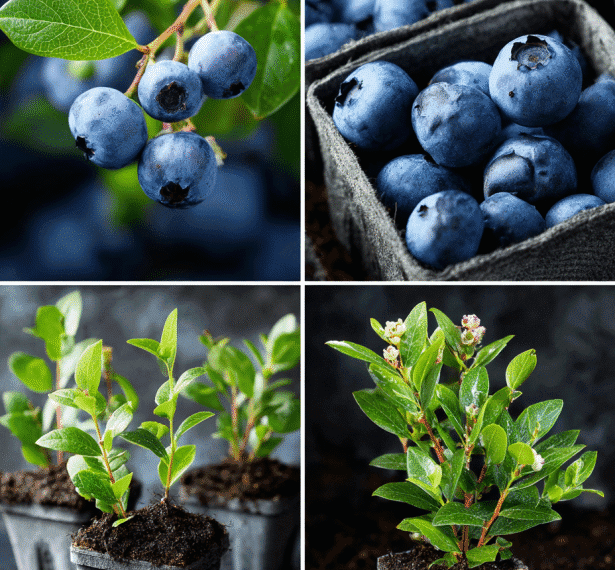
If you’ve ever dreamed of plucking sweet, sun-warmed blueberries straight from your backyard or balcony, good news — you don’t need to be a professional gardener or spend a fortune on nursery plants. With just a handful of store-bought blueberries, a bit of patience, and the right conditions, you can grow your very own blueberry bushes right at home.
Blueberries are among the most nutritious and delicious fruits you can grow. They’re rich in antioxidants, fiber, and vitamins C and K — and they fit perfectly into any garden, balcony planter, or patio pot. Whether you live in the sunny South, the cool Northeast, or the Pacific Northwest, this guide will show you how to grow blueberries successfully in your local climate.
🌍 Step 1: Know Your Climate Zone Before You Start
Before getting your hands dirty, it’s crucial to know your USDA Hardiness Zone.
- Zones 3–5 (Northern U.S.): Cold winters; ideal for hardy varieties like ‘Northblue’ or ‘Patriot.’
- Zones 6–8 (Midwest & South): Try Southern Highbush varieties such as ‘Misty’ or ‘Sunshine Blue.’
- Zones 9–10 (Coastal & Southern California, Florida): Choose low-chill types like ‘Sharpblue’ or ‘Gulf Coast.’
🪴 Tip: Even if you live in a warm area, blueberries thrive in containers where soil acidity and moisture can be controlled easily.
🌱 Step 2: Choose the Right Blueberries
When shopping for blueberries at the grocery store, go for organic or untreated ones. Non-organic berries are often coated with chemicals that inhibit seed sprouting.
✅ Select:
- Plump, firm, and fully ripe berries (the deeper the color, the better).
- Berries free of mold or wrinkles.
🫐 Step 3: Extracting the Tiny Seeds
- Mash a handful of blueberries in a bowl.
- Add a little water and stir well.
- Wait — the seeds will sink to the bottom, while the pulp floats.
- Carefully pour off the pulp and repeat until you’re left with mostly seeds.
- Spread the seeds on a paper towel and let them dry for a few hours.
❄️ Step 4: Stratification (Mimicking Winter)
- Place the dried seeds into a small container with moist peat moss, sphagnum, or a damp paper towel.
- Seal the container or bag and store it in the refrigerator (not freezer) at 35–40°F (1–4°C).
- Leave them there for 6–8 weeks.
🌤️ Step 5: Time to Plant the Seeds
- Small seed trays or pots
- A well-draining, acidic soil mix (pH 4.5–5.5) — peat moss and sand work perfectly
- Spray bottle with water
- Plastic wrap or a humidity dome
🌿 Step 6: Caring for Your Blueberry Seedlings
- Light: Provide 12–16 hours of light daily.
- Water: Keep the soil moist, never soggy.
- Air: Remove the cover to avoid mold once seedlings appear.
- Transplant: When seedlings have 2–3 sets of leaves, move them to individual pots.
🌳 Step 7: Transplanting Outdoors
- Choose a sunny, well-draining spot.
- Mix in peat moss, pine needles, or sulfur to lower pH.
- Space bushes 3–4 feet apart.
- Mulch with pine bark or wood chips to keep soil moist and acidic.
💧 Step 8: Long-Term Care for Thriving Blueberry Bushes
- Watering: Keep soil evenly moist, especially during fruiting season.
- Fertilizing: Use acid-loving plant food once a month in spring and summer.
- Pruning: In years 3+, remove old wood to encourage fresh growth.
- Mulching: Refresh mulch yearly to maintain moisture and acidity.
🕰️ Step 9: Patience Pays Off — When Will They Fruit?
It usually takes 3–4 years before seed-grown bushes produce fruit. Want faster results? Start some seeds and buy one mature plant — this way, you’ll enjoy early harvests while waiting for your seedlings to mature.
💙 Step 10: Benefits of Growing Your Own Blueberries
- Organic & Pesticide-Free: You know exactly what’s in your food.
- Budget-Friendly: A handful of berries can yield dozens of plants.
- Aesthetic Appeal: Lush green leaves and tiny bell-shaped flowers beautify your garden.
- Health Boost: Blueberries are antioxidant powerhouses that support brain and heart health.
🏡 Final Thoughts: From Berry to Bush
Growing blueberries from store-bought fruit is more than just gardening — it’s a journey of patience, curiosity, and reward. So the next time you enjoy a handful of blueberries, don’t toss the leftovers — plant them!
🍽️ What to Cook With Your Homegrown Blueberries
Once your blueberry bushes start producing, try these reader-favorite recipes that let fresh homegrown blueberries shine:
- 🫐 Blueberry Lemon Cream Cheese Sourdough Bread — A soft, bakery-style loaf bursting with fresh blueberries and bright lemon flavor. Perfect for your first homegrown harvest.
- 🍰 Blueberry Cream Cheese Crumb Cake — Sweet, creamy, and absolutely irresistible. The perfect brunch treat when your bushes are bursting with berries.