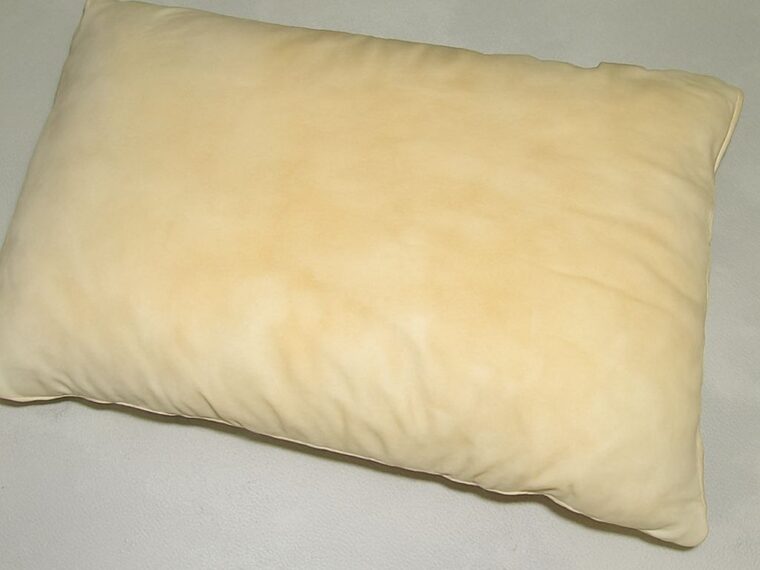
White pillows offer a clean, crisp aesthetic that can elevate the look of any bedroom. But over time, even the best pillows develop yellow stains that seem impossible to remove. These stains not only ruin the fresh appearance of your bedding but may also make guests wonder about your cleaning habits — regardless of how often you wash your linens.
If you’re tired of hiding stained pillows behind pillowcases or replacing them prematurely, there’s good news: you don’t need bleach or hours of scrubbing. But you do need the right method — and the most widely shared version of this tip online doesn’t actually work the way people think it does.
Why Do White Pillows Turn Yellow?
Before tackling the stains, it’s important to understand what causes them. The most common culprits include:
- Sweat: Nighttime perspiration seeps through pillowcases and into the pillow itself.
- Body oils and drool: Natural skin oils and saliva accumulate and discolour the fabric.
- Skincare and hair products: Ingredients from nighttime routines transfer onto the pillow and contribute to staining.
- Humidity and dust: Damp conditions encourage mildew, which deepens the discolouration.
Almost all of that is protein and oil. That matters, because it tells you which cleaning agents will actually work — and which are just fizzing for show.
First, the Myth: Baking Soda and Vinegar Mixed Together
You’ll find hundreds of articles telling you to pour baking soda and vinegar into the same tub of water and soak your pillows in the fizz. It’s satisfying to watch. It’s also chemically self-defeating, and we’d rather tell you that than repeat it.
Baking soda is a base. Vinegar is an acid. Combine them and they neutralise each other — the dramatic fizzing is the reaction consuming both ingredients. What you’re left with is mostly water, dissolved sodium acetate, and carbon dioxide bubbling away into the air. The alkalinity that made baking soda useful is gone. The acidity that made vinegar useful is gone.
Used separately, at different stages, both are genuinely useful. Used together in one basin, you’ve made saltwater.
What Actually Lifts Yellow Pillow Stains
The workhorse for protein-and-oil yellowing is oxygen bleach — sodium percarbonate, sold as a powdered laundry booster. Dissolved in hot water it releases hydrogen peroxide, which breaks down the discoloured compounds without the fibre damage or harshness of chlorine bleach. It is colour-safe, fabric-safe, and by a wide margin the most effective thing you can put in that tub.
Pair it with an enzyme laundry detergent. Enzymes are specifically designed to digest protein and oil residues, which is precisely what you’re dealing with.
Step-by-Step: The Method That Works
What You’ll Need
- Oxygen bleach powder (sodium percarbonate — sold under various brand names)
- Enzyme laundry detergent
- Optional: ½ cup borax or washing soda as an alkaline booster
- Optional: ½ cup white vinegar — for the rinse cycle only
- A bathtub or large basin, and a washing machine
- Access to sunlight, or a dryer on low heat
Instructions
- Check the care label first. Down, feather and polyester fill can usually be washed. Memory foam and latex cannot — skip to the FAQ below.
- Remove all covers and protectors so the pillow is bare.
- Fill the tub with hot water — as hot as the care label permits. Heat matters more than most people realise; oxygen bleach is far less effective in cold water.
- Dissolve the oxygen bleach fully before the pillows go in, following the dose on the packet. Add borax or washing soda now if you’re using it.
- Submerge the pillows and press out the trapped air. Soak for 1 to 4 hours — longer for stubborn staining. Press them down occasionally as they’ll want to float.
- Machine wash on a gentle cycle with enzyme detergent, two pillows at a time to keep the drum balanced. Run an extra rinse.
- Add vinegar to the rinse cycle only, if you like — this is where it earns its place, cutting detergent residue and leaving the fill softer. Never in the same step as the oxygen bleach or the baking soda.
- Dry completely. Direct sunlight is genuinely effective here — UV has a real bleaching action on residual yellowing. In a dryer, use low heat with wool or tennis balls to redistribute the fill. A pillow that’s still damp inside will grow mildew, so give it longer than you think it needs.
Where Baking Soda and Vinegar Do Belong
Neither ingredient is useless — they’re just useless together.
- Baking soda is a mild alkali and a decent deodoriser. Sprinkled into the wash drum with detergent, it slightly raises pH and helps detergent perform. Good for odour, marginal for stains.
- Vinegar is a mild acid that dissolves detergent residue and mineral buildup, which is why it leaves towels softer. It belongs in the rinse. We’ve covered how to use vinegar in laundry properly — most people add it at the wrong stage.
Tips to Keep Your Pillows White Longer
- Use a zippered pillow protector under the pillowcase. This is the single most effective preventative measure — a barrier against sweat and oils.
- Wash pillowcases weekly to stop buildup transferring through.
- Don’t go to bed with wet hair or heavy skincare, both of which soak straight in.
- Air pillows in sunlight every few weeks.
- Wash pillows every 3–6 months, before staining sets.
When to Stop Cleaning and Start Replacing
Being straight with you: some pillows are finished. If yours stays lumpy after drying, smells even when clean, or folds in half and stays folded, no cleaning method will bring it back — the fill has broken down. Most pillows have a working life of one to two years. Our home replacement schedule covers how often everything in the house genuinely needs replacing.
And if you’re retiring pillowcases along the way, don’t bin them — there are plenty of good ways to reuse old pillowcases.
FAQs
Q: Can this method be used on memory foam pillows?
A: No. Memory foam and latex must never be submerged — soaking destroys the structure and they won’t dry through. Spot-clean with a barely damp cloth and mild detergent, then air-dry completely away from direct heat.
Q: How often should I clean my pillows?
A: Every 3 to 6 months for pillows, weekly for pillowcases.
Q: Should I mix baking soda and vinegar together?
A: No. They neutralise each other into what is essentially salty water. Use baking soda in the wash and vinegar in the rinse — separate stages, separate jobs.
Q: Is oxygen bleach safe for coloured or patterned pillows?
A: Generally yes — it’s colour-safe, unlike chlorine bleach. Test an inconspicuous corner first if you’re unsure.
Final Thoughts
Reviving yellow-stained pillows doesn’t require expensive products or hours of scrubbing — but it does require the right chemistry. Hot water, oxygen bleach, enzyme detergent, a long soak and proper drying will lift staining that a tub of fizzing vinegar never could. Get a protector on afterwards and you may not need to do it again for a long while.
Correction (30 July 2026): An earlier version of this article recommended soaking pillows in a mixture of baking soda and vinegar, and stated in the FAQ that combining them in one solution was effective. That advice was wrong — the two neutralise each other and the resulting solution has little cleaning power. We have replaced the method with an oxygen-bleach approach and explained the chemistry. Our thanks to the principle that we’d rather visibly correct an error than leave readers acting on bad information — see our Editorial Policy.