
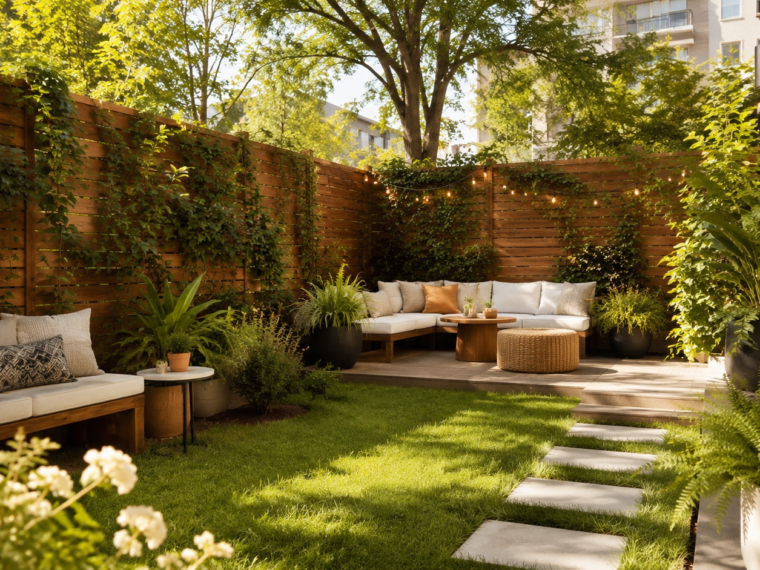
There’s a special kind of comfort that comes from stepping into your backyard and feeling like the whole space belongs to you. No neighbors peering over, no busy street on display — just your own little world of green. The right fence makes that happen, and the best part is that it doesn’t have to be a choice between privacy and looking good. With a bit of planning, you can have both.
If you’ve been searching for the best fencing for privacy without turning your yard into a walled fortress, this guide walks you through the most popular options, what each one costs you in effort and upkeep, and how to pick the one that fits your home and your budget.
What Makes a Fence Both Private and Pretty
Before you fall in love with a particular material, it helps to know what you’re actually looking for. A fence that gives you real privacy usually shares a few features:
- Height: Most privacy fences stand between 6 and 8 feet. Anything shorter and you’ll still be waving to the neighbors.
- Minimal gaps: Solid panels or tightly spaced boards keep sightlines blocked.
- Good looks from both sides: Remember, your neighbor sees the back. Some fence styles look finished on both faces, which keeps everyone happy.
- Materials that age well: A fence that warps, rots, or fades within a couple of seasons will cost you privacy and curb appeal at the same time.
Keep these four things in mind and you’ll narrow your choices quickly.
Wood Fencing: The Classic Choice
Wood is the fence most people picture, and for good reason. Cedar, redwood, and pressure-treated pine all give you that warm, natural look that suits almost any home. A solid wood privacy fence blocks views completely and can be stained or painted to match your style.
The trade-off is maintenance. Wood needs sealing or staining every few years to fight off moisture, and even then, boards can warp or split over time. If you love the natural look and don’t mind a weekend of upkeep now and then, wood delivers unbeatable charm at a mid-range price.
Vinyl Fencing: Low Effort, Long Life
If the idea of restaining a fence every few years makes you tired, vinyl might be your answer. Vinyl privacy panels come pre-finished in white, tan, and a few wood-look shades, and they never need painting. A quick rinse with the hose keeps them looking fresh.
Vinyl costs more upfront than wood, but many homeowners find the near-zero maintenance more than makes up for it over the years. It won’t rot, splinter, or attract termites, and it holds up well against sun and rain. The main downside is that it can look a little uniform, so it’s best for folks who prefer a clean, tidy appearance.
Composite Fencing: The Best of Both Worlds
Composite fencing blends recycled wood fibers with plastic to give you the rich texture of timber with the durability of synthetic material. It resists fading, warping, and insects, and it comes in colors that mimic real wood grain surprisingly well.
Composite sits at the higher end of the price range, but it rewards you with decades of good looks and almost no upkeep. If you plan to stay in your home for the long haul and want a fence that still looks great in fifteen years, composite is worth a serious look.
Metal and Living Fences for a Softer Look
Not every privacy solution has to be a solid wall. A few creative options blend function with beauty:
- Aluminum with privacy slats: Modern and sleek, great for contemporary homes.
- Living green walls: Fast-growing hedges like arborvitae or bamboo create a natural screen that gets more private every year.
- Fence-and-plant combos: A shorter fence topped with climbing vines gives you height and greenery without a heavy structure.
These options take a little patience — plants need time to fill in — but the payoff is a yard that feels lush and secluded rather than boxed in.
How to Choose the Right Fence for Your Yard
When you’re weighing your choices, start with your budget and how much maintenance you’re realistically willing to do. Wood is friendly on the wallet but asks for attention. Vinyl and composite cost more but let you set it and forget it. Then think about your home’s style, your local climate, and any HOA rules that might limit height or materials.
It’s also smart to check property lines and permit requirements before you build. A quick conversation with your neighbor about a shared fence can save you headaches later — and sometimes split the cost, too.
Bringing It All Together
Choosing the best fencing for privacy really comes down to matching the material to your lifestyle. If you want warmth and don’t mind upkeep, go wood. If you want to install it and forget it, vinyl or composite will serve you well for years. And if you love a softer, greener boundary, a living fence or plant combo brings privacy that keeps getting better with time.
Whatever you choose, a thoughtful fence does more than block the view — it frames your outdoor space, boosts your curb appeal, and turns your backyard into the private retreat you deserve. Take your time, measure twice, and enjoy the peaceful, tucked-away feeling that a good fence brings.